search engine optimisation (SEO)
INCREASING YOUR WEBSITE’S VISIBILITY ON GOOGLE
SEO IS A SLOW BURN WITH BIG GAINS. IT’S ABOUT MAKING YOUR WEBSITE EASIER FOR THE RIGHT PEOPLE TO FIND, HELPING YOUR BUSINESS SHOW UP ON GOOGLE WHEN POTENTIAL CUSTOMERS ARE ACTIVELY SEARCHING FOR WHAT YOU DO.
Search Engine Optimisation (SEO) is the process of improving your website’s visibility in search results to attract more of the right people to your site. It focuses on helping your website rank for searches that are relevant to your business and what your target audience is actively looking for. We track performance on Google, which holds the largest share of the global search engine market.
SEO involves two key areas: monitoring your site’s technical health, and strengthening your website with content built around what your audience is searching for. Below is an outline of the key services included in our SEO packages.
WEBSITE AUDIT: CONTENT & TECHNICAL ANALYSIS
An SEO website audit will help us discover opportunities to create better leads from your website. We’ll analyse the quality and performance of your website as per SEO best practice. This results in a detailed report identifying the opportunities to improve your website with actionable recommendations.
The outcomes will involve your website’s technical health and on-page/content SEO.
TECHNICAL SEO: site structure, indexing, crawlability, redirects, page speed, broken links, schema, sitemaps.
ON-PAGE/CONTENT SEO: keyword research, page copy, headings, metadata, internal linking, image alt text, blogs and landing pages.
An audit is the first step, but SEO is a long-term strategy. Results build over time as your website gains authority, visibility and a stronger body of relevant content. Consistent optimisation and regular activity are key to maintaining that momentum — without ongoing work, there’s limited opportunity to improve your organic visibility and rankings.
ON-PAGE SEO : CONTENT & KEYWORD POSITIONING
On-page SEO is where much of our ongoing SEO work happens, and content is a big part of that process. We look at how your website’s pages are structured, what keywords they target, how they link together, and where new content can create additional opportunities to be found in search.
Publishing regular blog articles and landing pages allows us to target new keywords, answer the questions your audience is searching for, and strengthen the pathways between relevant pages across your website. Over time, this builds a library of useful, search-focused content that helps both people and Google understand what your business does.
SEO copywriting is central to this. Our team has extensive copywriting experience across a wide range of industries, so we create content that serves a search purpose without sounding like it was written for an algorithm (or by AI) — balancing SEO best practice with your unique brand positioning.
LOCAL SEO: GEOGRAPHIC TARGETING
Have you ever noticed how Google seems to show you results for business in your immediate area?
Try it out. If you search the word ‘pizza delivery’ you’ll see websites for pizzerias nearby. If you were to make the same search another time in a different city or country, the list of results will automatically change to reflect your new location.
Therefore, if your business operates in a physical location, local SEO is key. This involves specific strategies for generating more traffic from consumers in your target area.
RESULTS
-
![meta ads results]()
CLIENT 1
+365% WEBSITE TRAFFIC IN 12 MONTHS
Comparing the first three months of our SEO engagement with the same period one year later, website visits increased from just over 9K to 42K+ — a 365% increase.
-
![]()
CLIENT 2
+381% ORGANIC TRAFFIC IN 6 MONTHS
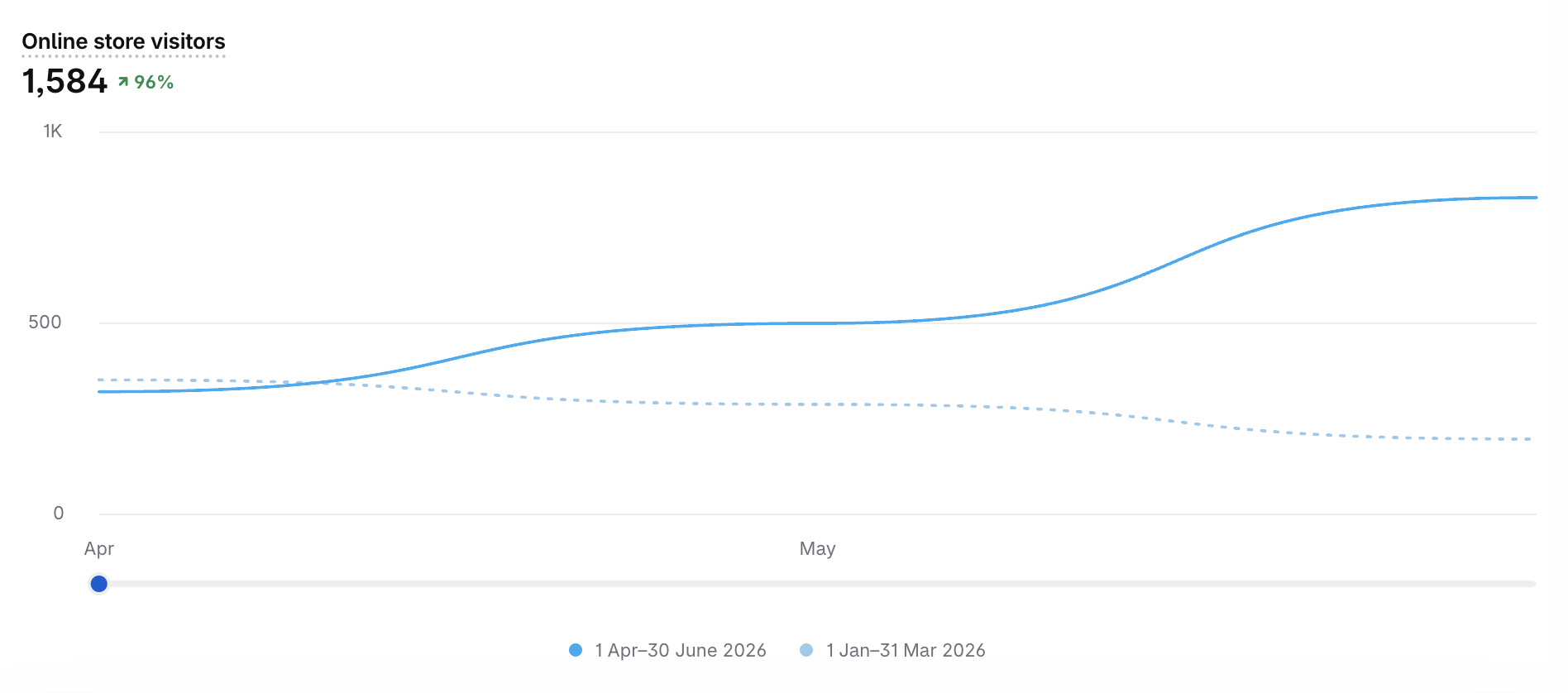
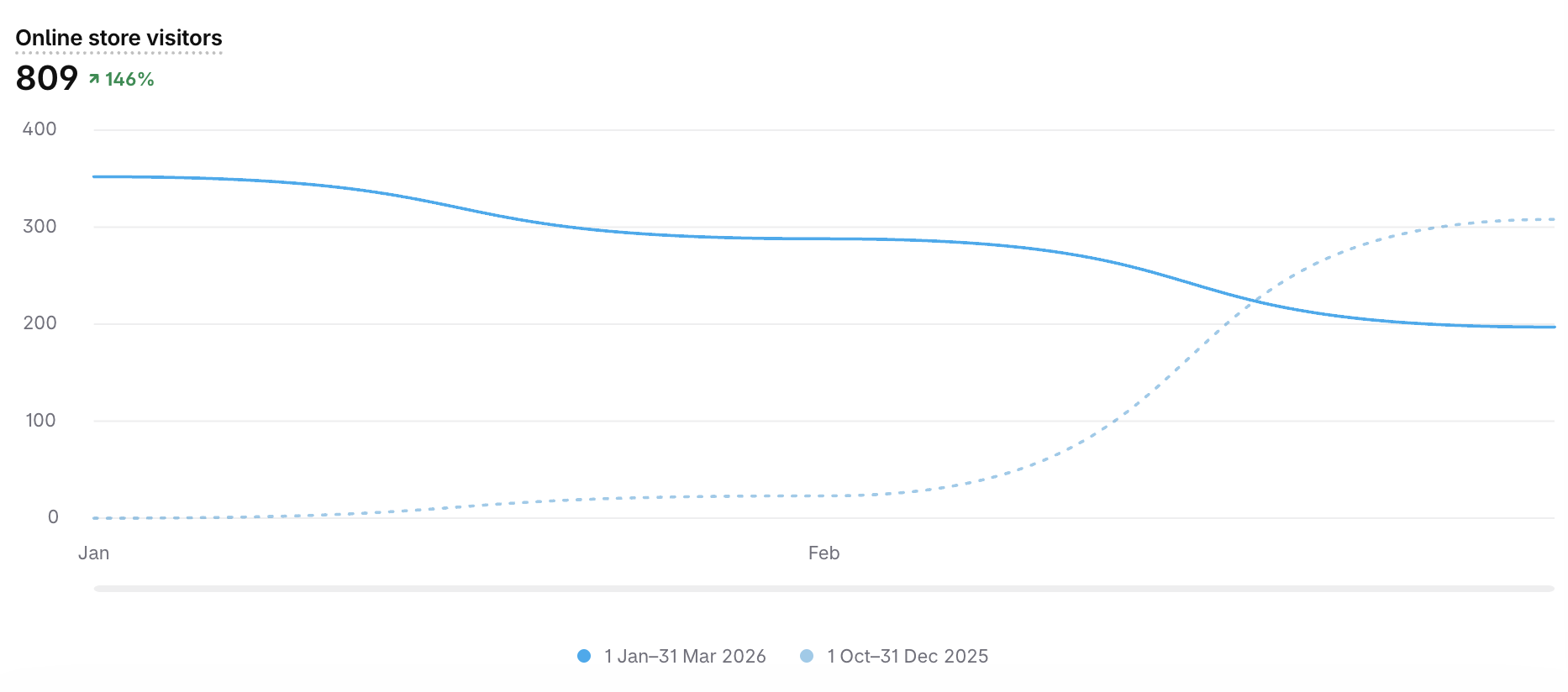
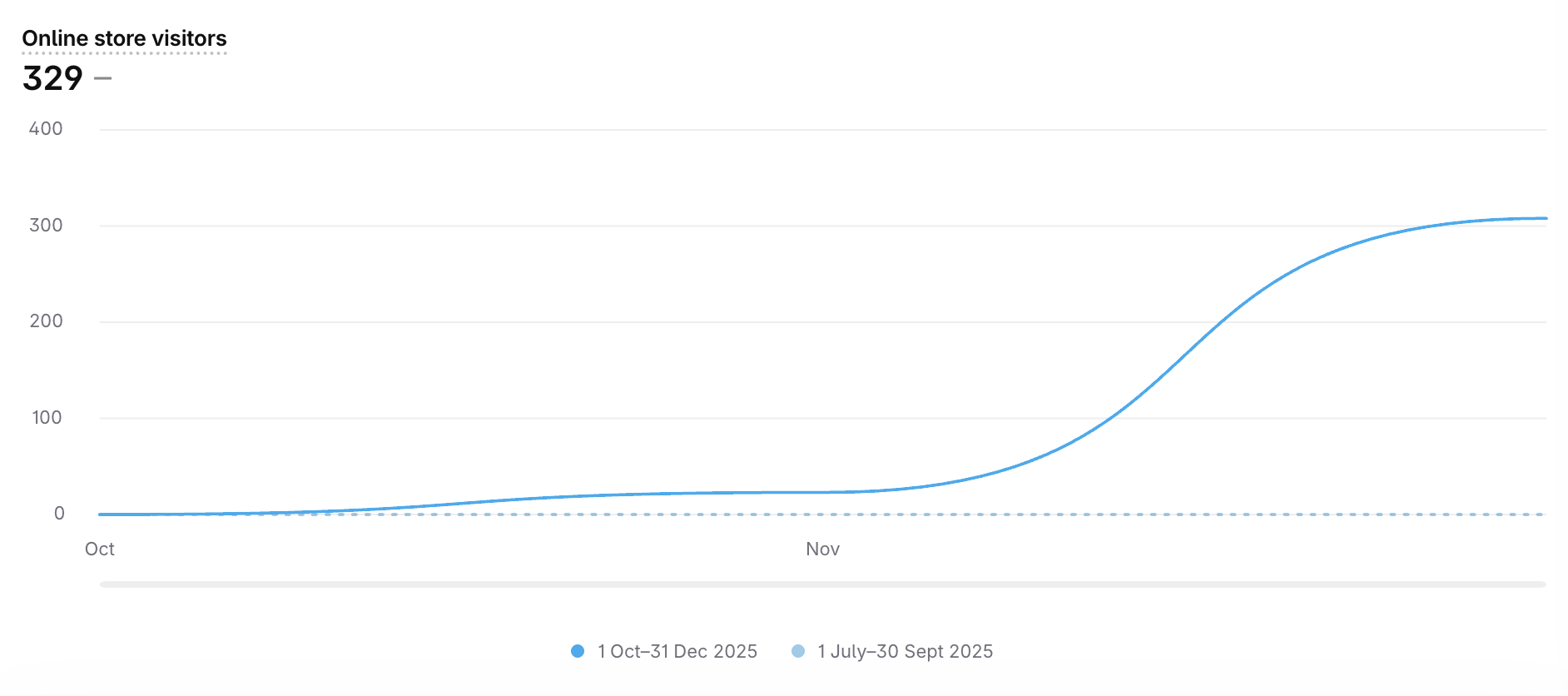
Since commencing SEO, this e-commerce client's quarterly organic visitors have grown from 329 to 1,584 (swipe for the proof). That’s a 381% increase in six months.
-
![]()
-
![]()

got questions? we’ve got answers.
WHEN WILL I START SEEING SEO RESULTS?
1
It takes up to three months to complete a full audit and fully implement the first phase of recommendations. So, you might start to see an increase in visitors and keyword ranking at the 3 month mark — however results are not instant.
SEO is a longe-term strategy, not a quick win. With ongoing optimisation, you’ll start seeing best results after 6 months.
WHY CAN’T I JUST PAY FOR SEARCH ADS?
2
Paid traffic isn’t a substitute for strong organic visibility. A useful way to think about it is that ranking organically on Page 1 is like owning the space, while a paid ad is more like renting it.
Organic rankings can continue driving traffic over the long term as you maintain and build on your SEO efforts. Paid search gives you visibility while you’re actively investing, but your position can change depending on competition, budget and bidding.
Ultimately, the goal is to build strong organic visibility across as many relevant searches as possible. Paid search can complement this by generating traffic for high-priority keywords in the short term, while SEO works to build sustainable visibility and traffic over time.
IS SEO DIFFERENT FOR E-COMMERCE BUSINESSES?
3
E-Commerce SEO involves optimising an online store for search engine visibility. The strategy is essentially the same as SEO for a service provider, involving technical health, on-page elements, and geographic targeting.
Site structure and copywriting plays an important role in SEO for an online business, as a retailer’s website will need to feature product categories and descriptions. Making sure these are organised and written in line with SEO best practice is vital to having your products ranked higher than competitors.
This means it’s best to hire a team who are both SEO experts and experienced with writing e-commerce product descriptions. That’s us.